An analysis of the high-stakes bidding war reshaping Hollywood
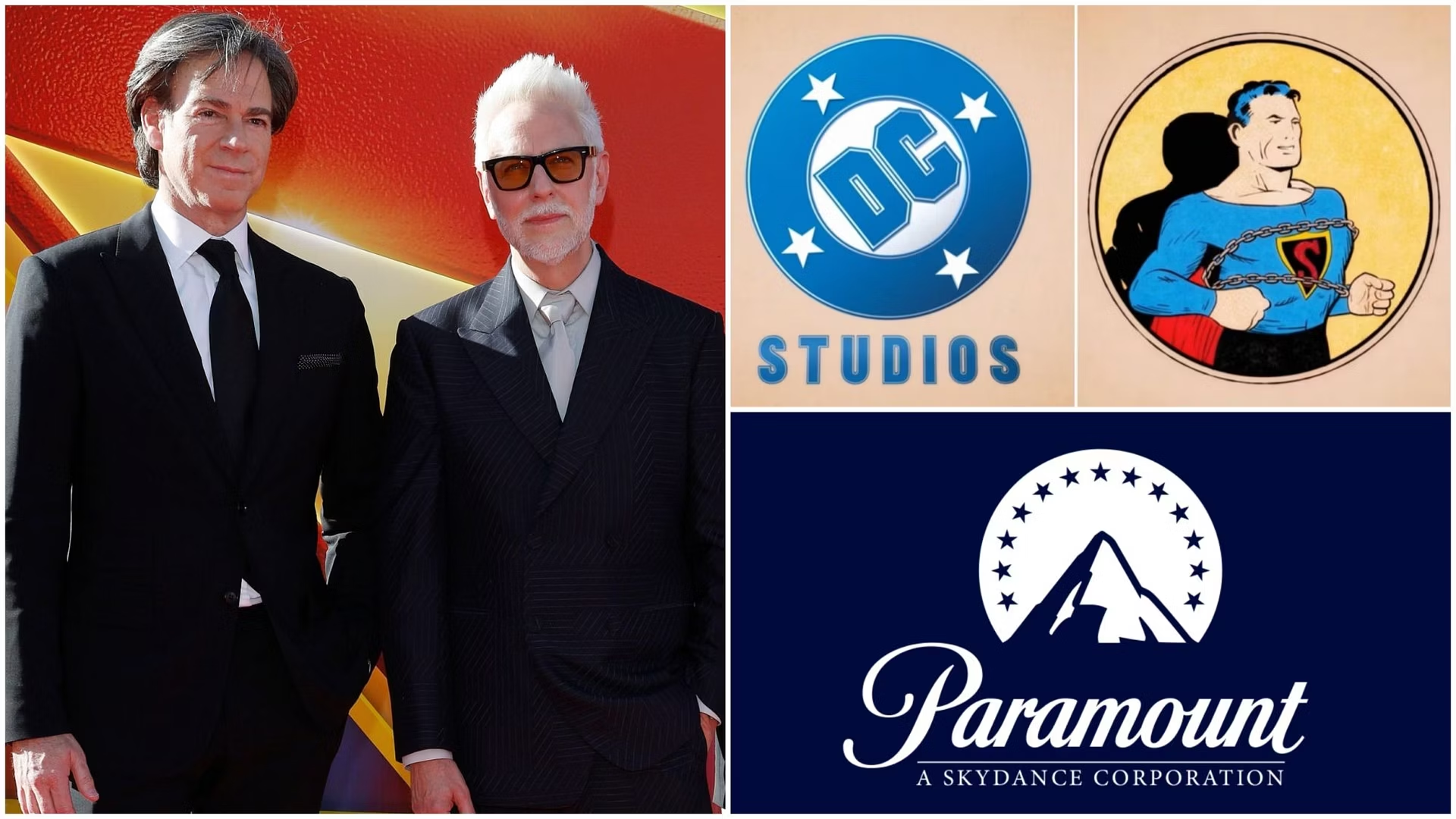
In late 2025, the entertainment world was shaken by what amounts to the biggest corporate showdown in modern Hollywood history: Netflix’s proposed acquisition of Warner Bros. Discovery (WBD), challenged by a hostile takeover bid from Paramount Skydance. This is more than a business transaction—it’s a contest for the future of storytelling, audience choice, and the cultural influence of some of the most iconic media properties on Earth. Wikipedia
The Deal So Far: A Quick Overview
- Netflix originally reached an agreement with Warner Bros. Discovery to purchase its film and streaming assets—including Warner Bros. studios, HBO/HBO Max, and DC Entertainment—in a deal valued at roughly $82.7 billion (including debt) with an equity value of about $72 billion. Q4 Capital
- Paramount Skydance responded with a hostile takeover bid, offering $30 per share in cash (higher than Netflix’s per-share cash value) and aiming to buy all of Warner Bros. Discovery, including the linear cable networks and news channels. Wikipedia
- Warner’s board has thus far recommended Netflix’s offer, arguing it provides more certainty and financial backing, though the final outcome is still in flux as Paramount pushes forward. SportsPro
Why Paramount’s Bid Makes Strategic Sense
Here are several reasons why Paramount should be considered the better home for Warner Bros. Discovery and why regulators, shareholders, and consumers should seriously weigh its offer:
1. Paramount’s All-Cash Offer Is Less Risky for Shareholders
Paramount’s $30/share bid is pure cash—not cash plus stock—making it more straightforward and sure for Warner shareholders. Cash deals remove the volatility that can come with stock-based transactions, especially in periods of market uncertainty. Forbes
2. Paramount Would Keep Warner Bros. as a Standalone Studio Powerhouse
Netflix’s proposal folds Warner Bros. content into a much larger streaming business. Paramount’s bid, by contrast, offers to keep the full Warner catalog intact within a combined but distinct entertainment empire. This could preserve the studio’s identity and continuity for theatrical productions, franchises, and legacy filmmaking. Wikipedia
3. Better Antitrust Outlook (in Some Views)
Industry analysts have suggested Paramount’s smaller streaming footprint might face fewer regulatory barriers than Netflix’s acquisition, which would make Netflix even more dominant in streaming. Paramount’s offer could be seen as enhancing competition rather than concentrating it further. Fortune
4. Paramount is More Theatrical-Focused
Netflix has invested heavily in streaming and historically released fewer films broadly in theaters. Paramount, as a legacy studio, prioritizes traditional distribution and theatrical windows. A Paramount-led Warner Bros. could ensure that future blockbuster films continue to thrive on the big screen—a preference shared by many filmmakers and audiences.
5. Paramount Brings Broad Industry Assets Together
Paramount’s bid isn’t just about streaming; it includes cable networks, news operations, and a diverse content portfolio. This broad base could create multiple revenue streams and diverse content ecosystems without putting all strategic weight solely on streaming.
The Case Against the Netflix Model
While Netflix is undeniably a powerful global platform with massive reach, there are important reasons to question whether its deal is best for creative variety and consumer choice:
A. Too Much Centralization of Power
Netflix’s acquisition would create an entertainment titan with unprecedented control over some of the world’s biggest franchises, possibly squeezing out competition and making it harder for independent voices to thrive.
B. Content Homogenization Risks
As seen in past years, Netflix often prioritizes content designed to maximize streaming engagement, sometimes at the expense of mid-budget films or niche genres that don’t fit viewership algorithms. A Paramount-led Warner Bros. might preserve a broader range of storytelling styles and formats.
C. Market Dominance Could Stifle Theatrical Culture
Cinema chains and creators alike have worried that deeper Netflix control over a major studio could deepen the shift away from theatrical releases, reducing diversity in film distribution strategies. mint
Why This Matters to Audiences
This isn’t just a corporate tussle—it affects what kinds of movies and shows get funded, how they’re distributed, and what audiences around the world get to see and when. Paramount’s approach could ensure:
- A balanced ecosystem of streaming and theaters
- Preservation of classic blockbuster filmmaking
- More competitive consumer choice
- Greater diversity in production models
What Happens Next?
The battle for Warner Bros. Discovery is likely to continue into early 2026, with shareholders ultimately deciding which offer to support. Regulators will also weigh in, and both companies may adjust bids, financing, or strategy as they try to secure approval.
Regardless of the outcome, this contest will shape the next decade of Hollywood—who controls storytelling, how audiences consume content, and how media giants compete in a crowded digital era.